Willem ter Braak – real name Engelbertus Fukken – was a Dutch-born German Abwehr agent who spent several months spying in England during World War Two. It is currently thought he spent the longest time as an undetected German spy in Britain during the war (between November 1940 and March 1941).
Ter Braak had been an early member of the Dutch National Socialist Movement (NSB) and was recruited by the Abwehr after the fall of the Netherlands in the summer of 1940. He was parachuted into England on the night of 2/3 November 1940 near Haversham in Buckinghamshire. His parachute was found but searches for the parachutist failed to locate him.
He travelled to Cambridge and took lodging in St. Barnabas Road, Cambridge. Though he claimed to work for the Free Dutch forces he should have registered with the police and his landlord did report his presence to the authorities. However, it seems no action was taken to verify ter Braak’s identity.
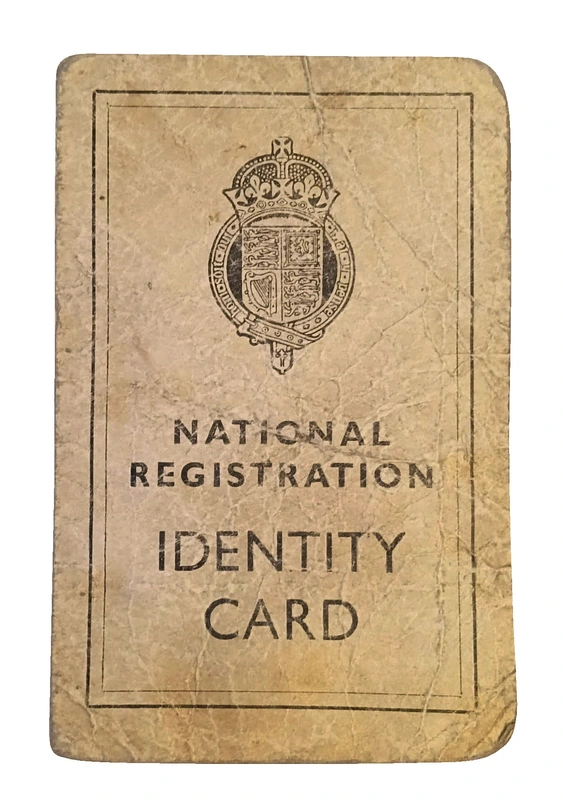
He carried with him a radio transmitter, false identification documents and amounts of sterling and US dollars. What exactly Ter Braak reported on back to his German handlers is unknown but it is thought his transmitter batteries were running down by Christmas 1940 and some sources speculate he was sending letters via Spain to his handlers.
At the end of March 1941, with his cache of money running out and with suspicions about his ration and ID documents, Ter Braak deposited his radio transmitter (hidden in a leather suitcase) at the left luggage office at Cambridge railway station. He then broke into an air raid shelter.
Ter Braak’s body was found by an electrician in the air raid shelter in Christ’s Pieces Park on 1 April, 1941, Cambridge. It is assumed he committed suicide using his own pistol on the night of March 30/31. He was buried in an unmarked grave in a cemetery in Great Shelford. His family later requested a headstone for his grave, in his birth name. Ter Braak/Fukken was 26 when he died.
Documents relating to his case were released by the National Archives in 1999.