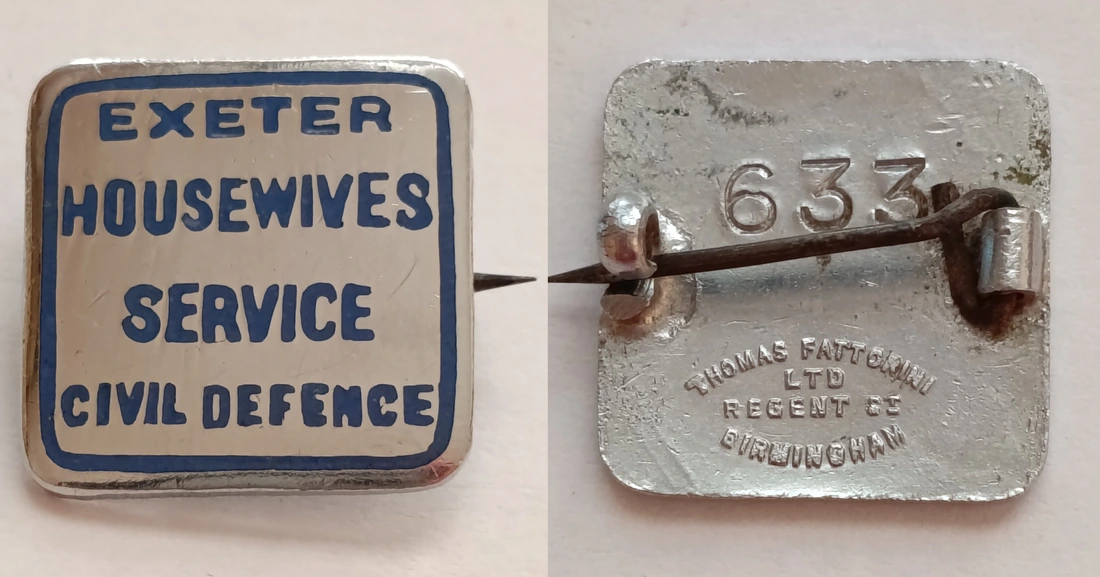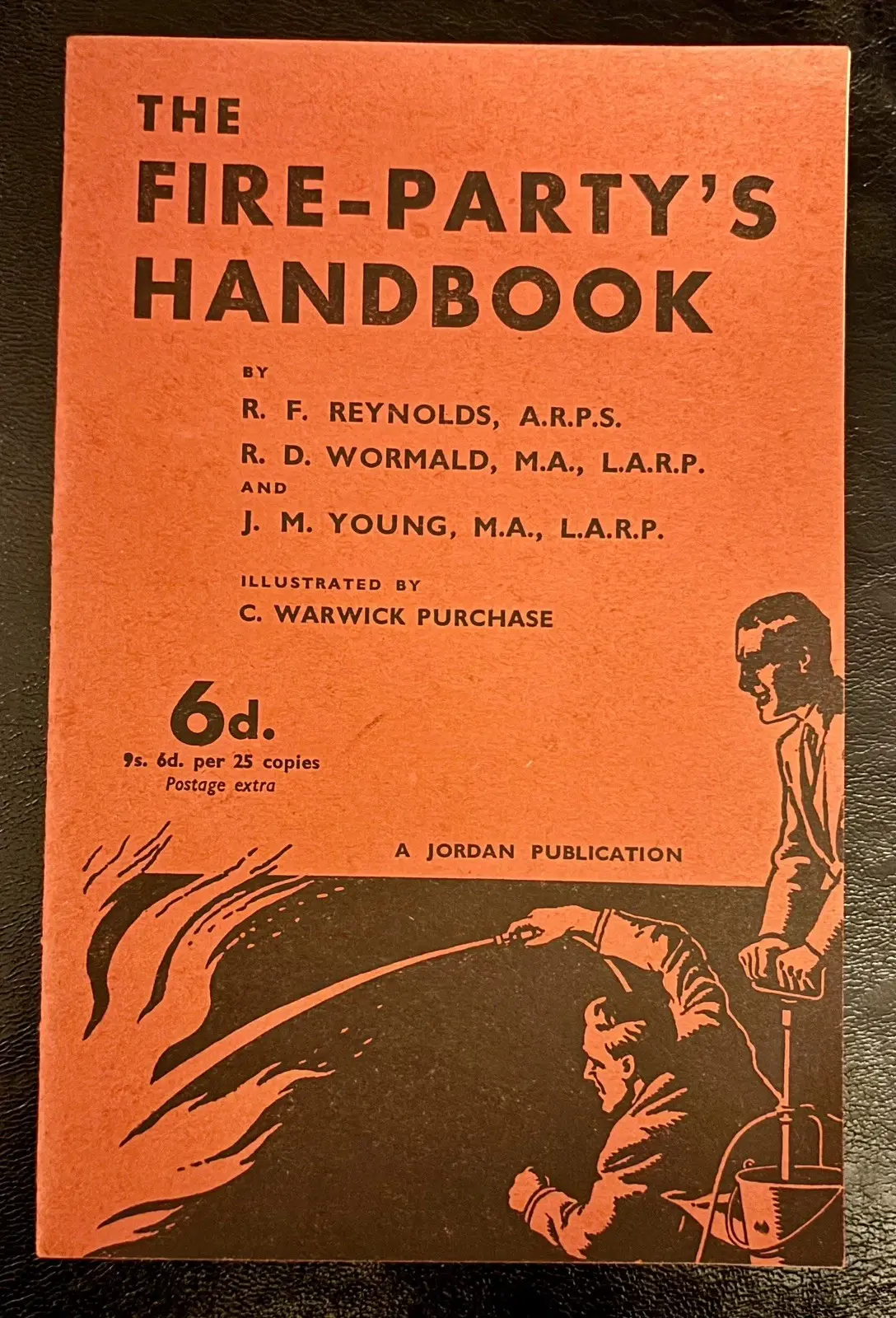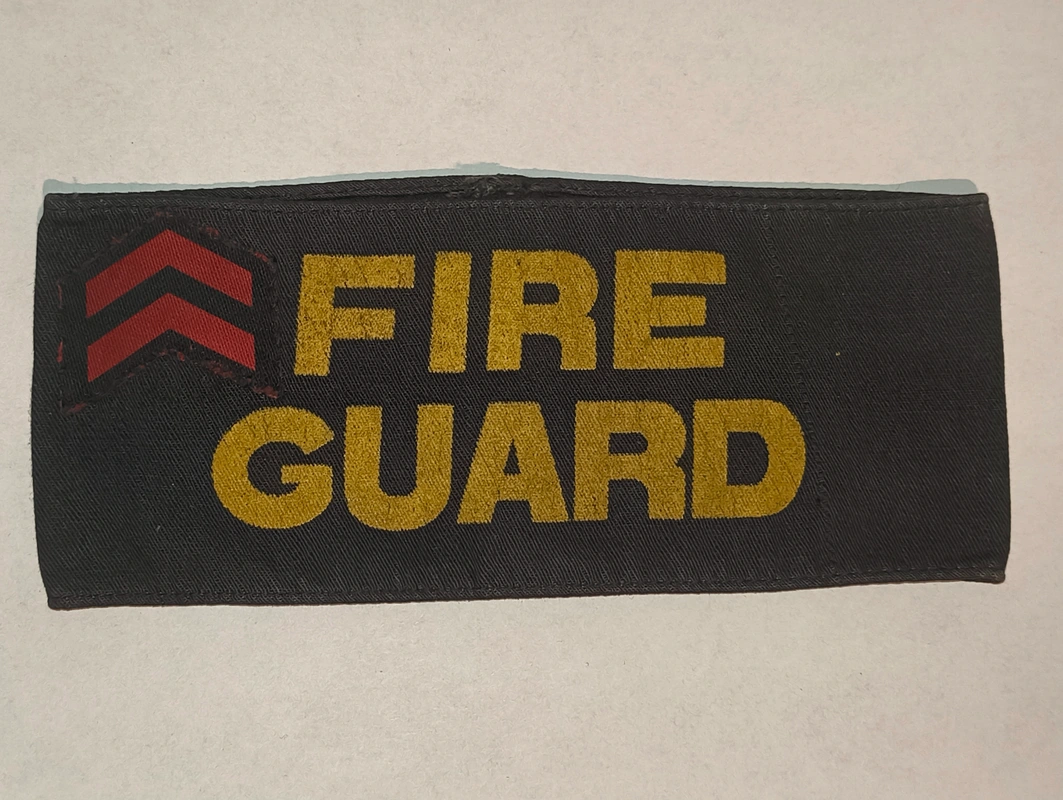
A recent addition to my collection is this small (1.5″ square) Exeter Housewives Service Civil Defence badge.
Established in 1938 by the Women’s Voluntary Service (WVS), the Housewives Service organised housewives (who could not work fulltime due to family commitments) to assist their local Civil Defence services (formerly Air Raid Precautions (ARP)). In 1939 the service was formally established within the WVS Civil Defence organisation and expanded rapidly across the country.
Volunteers were trained in air raid precautions measures, first aid and home nursing and assisted at rest centres and canteens. Members also helped with evacuated children.
During the Second World War, Exeter suffered heavily from German bombing and it was the first city to be bombed in the so-called ‘Baedeker‘ raids. These raids targeted cities for their cultural and historical, rather than their strategic or military, value
In the first raids on the nights of 23-24 and 24-25 April 1942, 80 people were killed and 55 badly wounded. A further attack on 4 May, saw 90 aircraft drop high explosives, parachute mines and incendiaries. Exeter had been poorly prepared for air raids on this scale and the local fire services were quickly overwhelmed. Fires devastated the city’s shopping centre with over 600 shops, pubs and offices destroyed.
The Baedeker raids on Exeter left over 230 people dead and almost 600 injured.
The Royal Voluntary Service has an online PDF that covers the Housewives’ Service in detail.